科西嘉岛指南The Rough Guide to Corsica 4th ed. 2025 chm pdf kindle rb azw3 下载 115盘
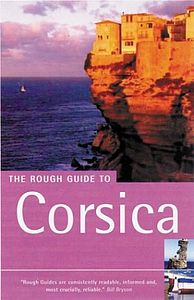
科西嘉岛指南The Rough Guide to Corsica 4th ed.电子书下载地址
- 文件名
- [epub 下载] 科西嘉岛指南The Rough Guide to Corsica 4th ed. epub格式电子书
- [azw3 下载] 科西嘉岛指南The Rough Guide to Corsica 4th ed. azw3格式电子书
- [pdf 下载] 科西嘉岛指南The Rough Guide to Corsica 4th ed. pdf格式电子书
- [txt 下载] 科西嘉岛指南The Rough Guide to Corsica 4th ed. txt格式电子书
- [mobi 下载] 科西嘉岛指南The Rough Guide to Corsica 4th ed. mobi格式电子书
- [word 下载] 科西嘉岛指南The Rough Guide to Corsica 4th ed. word格式电子书
- [kindle 下载] 科西嘉岛指南The Rough Guide to Corsica 4th ed. kindle格式电子书
内容简介:
INTRODUCTION ‘Kallisté’ – ‘the most beautiful’ – was what the ancient Greeks called Corsica, and the compliment holds as true today as ever. In few corners of the Mediterranean will you find water as translucent, sand as soft and white, and weather so dependably warm and sunny; and nowhere else has seascapes as dramatic as the red porphyry Calanches of the west coast, and the striated white cliffs in the far south. Crowning it all, a mass of forested valleys herringbone from the island’s granite spine, which rises to a mighty 2706m at Monte Cinto, snow-encrusted even at the height of summer. That these extraordinary landscapes have survived the ferro-concrete revolution of the past few decades unscathed seems miraculous when you consider the fate of comparably beautiful parts of southern Europe. Nearly two million visitors descend on the island annually (two thirds of them in July and August), yet purpose-built resorts are few and far between, while high-rise blocks remain outnumbered by extravagant Baroque churches and old fortified houses built to protect families formerly embroiled in vendettas. Overlooked by Corsica’s trademark seventeenth-century watchtowers, long stretches of the shore remain backed by unbroken maquis, while forests of holm oak, chestnut trees and magnificent Laricio pines carpet the interior valleys, dotted with pretty stone villages. "Provence without the Brits" is how rural Corsica is often described in holiday brochures, but the gloss fails to convey the island’s distinctive grandeur: the wildness of its uplands, the vivid atmosphere of its remote settlements, and arresting emptiness of its valleys and woodlands, where wild boar are still more numerous than people. Corsica’s pristine state is largely the legacy of economic neglect, compounded by the impact of two world wars and mass out-migration in the twentieth century. Lured by the island’s abundant natural resources and strategic position on the Mediterranean seaways, successive invaders – from the Greeks, Carthaginians and Romans, to the Aragonese, Italians, British and French – all came and conquered, but none were able to establish lasting prosperity. Nor were they ever able to subjugate fully the rebellious spirit of the islanders themselves, who at various times in their history have mounted fierce resistance to colonial occupation. In the nineteenth century, an armed uprising established a fully independent government led by one of the most charismatic political figures of the Enlightenment, Pascal Paoli. Before it was ruthlessly crushed by the French, the regime introduced the vote for women and a democratic constitution which would later be used a model for that of the United States. Violent opposition to French rule flared up once again in the mid-1970s, since when nationalist paramilitary groups have been waging a bloody campaign against the state and its representatives, both on the island and on the Continent. Among ordinary islanders, support for the armed struggle – whose bombings and shootings have claimed hundreds of lives but seldom, if ever, affect tourists – has dwindled to virtually nil over the past decade. Yet the desire for greater autonomy remains as fervent as ever, in spite of the fact that the island imports virtually everything it needs and receives huge financial support from Paris and the EU. Having had to struggle for centuries to preserve their language and customs, Corsicans have gained a reputation for being suspicious of outsiders. You will, for example, get a very frosty response indeed (or worse) if you attempt to broach the subject of nationalist violence, the Mafia, religious brotherhoods or belief in occult phenomena such as the Evil Eye. But express admiration for those facets of island life which the islanders are overtly proud of – such as their cuisine, fine wines, enigmatic carved menhirs and polyphony singing – and you’ll soon feel the warmth of traditional hospitality. Save for the ubiquitous nationalist graffiti, sprayed-out road signs and odd fire-bombed villa or beach restaurant, Corsica’s dark underbelly is barely discernible these days, as its population is drawn ever closer to the European mainstream. Lasting impressions tend instead to be dominated by the things which have beguiled travellers since Boswell first raved about the island in the mid-eighteenth century: the breathtakingly unspoilt scenery and distinctive Mediterranean way of life which, although bearing strong resemblances to the cultures of neighbouring Tuscany and Sardinia, the French Riviera and Sicily – somehow manages to remain quite different from any of them. Two hundred years of French rule have had limited tangible effect on Corsica, an island where Baroque churches, Genoese fortresses, fervent Catholic rituals and an indigenous language saturated with Tuscan influences show a more profound affinity with neighbouring Italy. During the long era of Italian supremacy the northeast and southwest of Corsica formed two provinces known as Diqua dei monti – "this side of the mountains" – and Dila dei monti, the uncontrollable "side beyond". Today the French départements of Haute-Corse and Corse du Sud roughly coincide with these territories, and remain quite different in feel.
书籍目录:
暂无相关目录,正在全力查找中!
作者介绍:
暂无相关内容,正在全力查找中
出版社信息:
暂无出版社相关信息,正在全力查找中!
书籍摘录:
暂无相关书籍摘录,正在全力查找中!
在线阅读/听书/购买/PDF下载地址:
原文赏析:
暂无原文赏析,正在全力查找中!
其它内容:
书籍介绍
INTRODUCTION ‘Kallisté’ – ‘the most beautiful’ – was what the ancient Greeks called Corsica, and the compliment holds as true today as ever. In few corners of the Mediterranean will you find water as translucent, sand as soft and white, and weather so dependably warm and sunny; and nowhere else has seascapes as dramatic as the red porphyry Calanches of the west coast, and the striated white cliffs in the far south. Crowning it all, a mass of forested valleys herringbone from the island’s granite spine, which rises to a mighty 2706m at Monte Cinto, snow-encrusted even at the height of summer. That these extraordinary landscapes have survived the ferro-concrete revolution of the past few decades unscathed seems miraculous when you consider the fate of comparably beautiful parts of southern Europe. Nearly two million visitors descend on the island annually (two thirds of them in July and August), yet purpose-built resorts are few and far between, while high-rise blocks remain outnumbered by extravagant Baroque churches and old fortified houses built to protect families formerly embroiled in vendettas. Overlooked by Corsica’s trademark seventeenth-century watchtowers, long stretches of the shore remain backed by unbroken maquis, while forests of holm oak, chestnut trees and magnificent Laricio pines carpet the interior valleys, dotted with pretty stone villages. "Provence without the Brits" is how rural Corsica is often described in holiday brochures, but the gloss fails to convey the island’s distinctive grandeur: the wildness of its uplands, the vivid atmosphere of its remote settlements, and arresting emptiness of its valleys and woodlands, where wild boar are still more numerous than people. Corsica’s pristine state is largely the legacy of economic neglect, compounded by the impact of two world wars and mass out-migration in the twentieth century. Lured by the island’s abundant natural resources and strategic position on the Mediterranean seaways, successive invaders – from the Greeks, Carthaginians and Romans, to the Aragonese, Italians, British and French – all came and conquered, but none were able to establish lasting prosperity. Nor were they ever able to subjugate fully the rebellious spirit of the islanders themselves, who at various times in their history have mounted fierce resistance to colonial occupation. In the nineteenth century, an armed uprising established a fully independent government led by one of the most charismatic political figures of the Enlightenment, Pascal Paoli. Before it was ruthlessly crushed by the French, the regime introduced the vote for women and a democratic constitution which would later be used a model for that of the United States. Violent opposition to French rule flared up once again in the mid-1970s, since when nationalist paramilitary groups have been waging a bloody campaign against the state and its representatives, both on the island and on the Continent. Among ordinary islanders, support for the armed struggle – whose bombings and shootings have claimed hundreds of lives but seldom, if ever, affect tourists – has dwindled to virtually nil over the past decade. Yet the desire for greater autonomy remains as fervent as ever, in spite of the fact that the island imports virtually everything it needs and receives huge financial support from Paris and the EU. Having had to struggle for centuries to preserve their language and customs, Corsicans have gained a reputation for being suspicious of outsiders. You will, for example, get a very frosty response indeed (or worse) if you attempt to broach the subject of nationalist violence, the Mafia, religious brotherhoods or belief in occult phenomena such as the Evil Eye. But express admiration for those facets of island life which the islanders are overtly proud of – such as their cuisine, fine wines, enigmatic carved menhirs and polyphony singing – and you’ll soon feel the warmth of traditional hospitality. Save for the ubiquitous nationalist graffiti, sprayed-out road signs and odd fire-bombed villa or beach restaurant, Corsica’s dark underbelly is barely discernible these days, as its population is drawn ever closer to the European mainstream. Lasting impressions tend instead to be dominated by the things which have beguiled travellers since Boswell first raved about the island in the mid-eighteenth century: the breathtakingly unspoilt scenery and distinctive Mediterranean way of life which, although bearing strong resemblances to the cultures of neighbouring Tuscany and Sardinia, the French Riviera and Sicily – somehow manages to remain quite different from any of them. Two hundred years of French rule have had limited tangible effect on Corsica, an island where Baroque churches, Genoese fortresses, fervent Catholic rituals and an indigenous language saturated with Tuscan influences show a more profound affinity with neighbouring Italy. During the long era of Italian supremacy the northeast and southwest of Corsica formed two provinces known as Diqua dei monti – "this side of the mountains" – and Dila dei monti, the uncontrollable "side beyond". Today the French départements of Haute-Corse and Corse du Sud roughly coincide with these territories, and remain quite different in feel.
网站评分
书籍多样性:5分
书籍信息完全性:5分
网站更新速度:9分
使用便利性:5分
书籍清晰度:7分
书籍格式兼容性:7分
是否包含广告:9分
加载速度:8分
安全性:7分
稳定性:7分
搜索功能:6分
下载便捷性:7分
下载点评
- 盗版少(648+)
- 图文清晰(642+)
- 实惠(207+)
- 值得购买(426+)
- 四星好评(616+)
- 在线转格式(234+)
- 推荐购买(432+)
- 赚了(593+)
- 排版满分(676+)
- pdf(205+)
- 还行吧(73+)
下载评价
- 网友 冯***丽:
卡的不行啊
- 网友 陈***秋:
不错,图文清晰,无错版,可以入手。
- 网友 温***欣:
可以可以可以
- 网友 扈***洁:
还不错啊,挺好
- 网友 国***芳:
五星好评
- 网友 宓***莉:
不仅速度快,而且内容无盗版痕迹。
- 网友 益***琴:
好书都要花钱,如果要学习,建议买实体书;如果只是娱乐,看看这个网站,对你来说,是很好的选择。
- 网友 家***丝:
好6666666
- 网友 仰***兰:
喜欢!很棒!!超级推荐!
喜欢"科西嘉岛指南The Rough Guide to Corsica 4th ed."的人也看了
我爱素食 〔韩〕郑宰德 著 北京科学技术出版社 2025 chm pdf kindle rb azw3 下载 115盘
头文字D (日)重野秀一 著,徐修颖 译 接力出版社【正版书】 2025 chm pdf kindle rb azw3 下载 115盘
邮票鉴赏投资指南 2025 chm pdf kindle rb azw3 下载 115盘
2008年版全真模拟试卷 2025 chm pdf kindle rb azw3 下载 115盘
园林工程从新手到高手 园林植物养护 2025 chm pdf kindle rb azw3 下载 115盘
图解孕前准备三个月 2025 chm pdf kindle rb azw3 下载 115盘
9787509170229 2025 chm pdf kindle rb azw3 下载 115盘
经济计量分析 2025 chm pdf kindle rb azw3 下载 115盘
2024小学生阅读理解+应用题+英语阅读培优训练3年级上下册通用(语数英共3册)2024小学生阶梯式课外阅读理解专项训练书 配名师视频讲解答案解析 开心教育 2025 chm pdf kindle rb azw3 下载 115盘
新婚姻法案例纠纷解读 听法官讲新婚姻法 2025 chm pdf kindle rb azw3 下载 115盘
随机推荐
- 肌肉链 2025 chm pdf kindle rb azw3 下载 115盘
- 传习录 2025 chm pdf kindle rb azw3 下载 115盘
- 蜡笔小新(全32册) 2025 chm pdf kindle rb azw3 下载 115盘
- 全新正版图书 后现代主义建筑二十讲聂影上海社会科学院出版社9787552027075蔚蓝书店 2025 chm pdf kindle rb azw3 下载 115盘
- 海风拂面9787201164588兴海图书专营店 2025 chm pdf kindle rb azw3 下载 115盘
- 数值分析 2025 chm pdf kindle rb azw3 下载 115盘
- 一张桌子一本书 2025 chm pdf kindle rb azw3 下载 115盘
- 自有库存 保证正版 可开发票~~这样养育女孩 2025 chm pdf kindle rb azw3 下载 115盘
- A Place to Talk in Pack-away Settings 2025 chm pdf kindle rb azw3 下载 115盘
- 新东方 (2019)四大名师讲真题 考研英语(一)历年真题详解(试卷版) 2025 chm pdf kindle rb azw3 下载 115盘
书籍真实打分
故事情节:5分
人物塑造:9分
主题深度:9分
文字风格:9分
语言运用:7分
文笔流畅:3分
思想传递:6分
知识深度:3分
知识广度:5分
实用性:3分
章节划分:8分
结构布局:8分
新颖与独特:8分
情感共鸣:8分
引人入胜:3分
现实相关:3分
沉浸感:5分
事实准确性:9分
文化贡献:6分